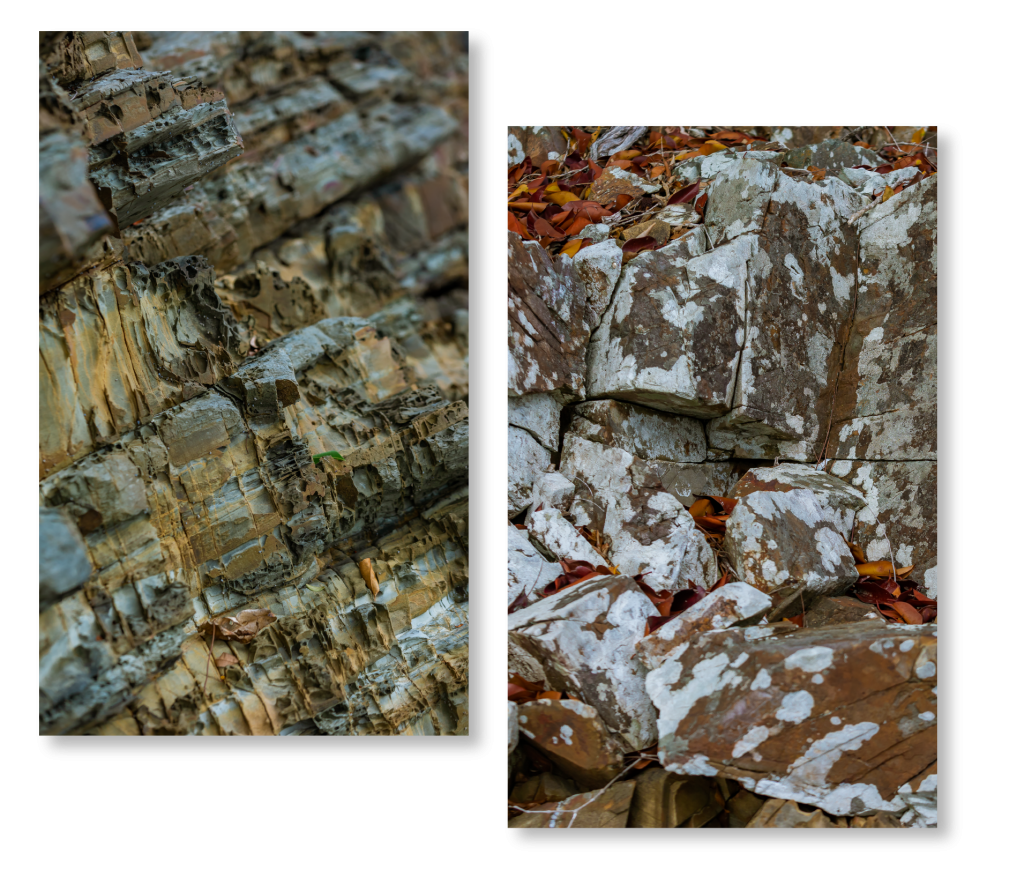
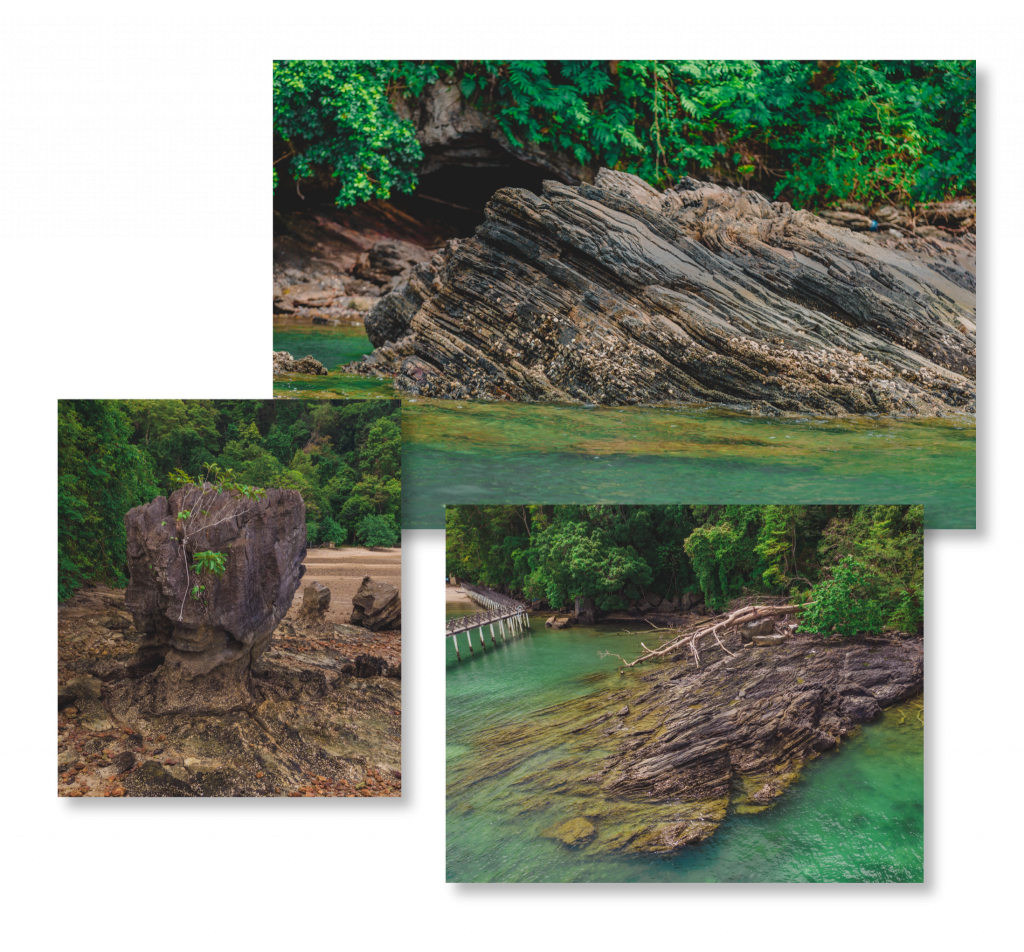
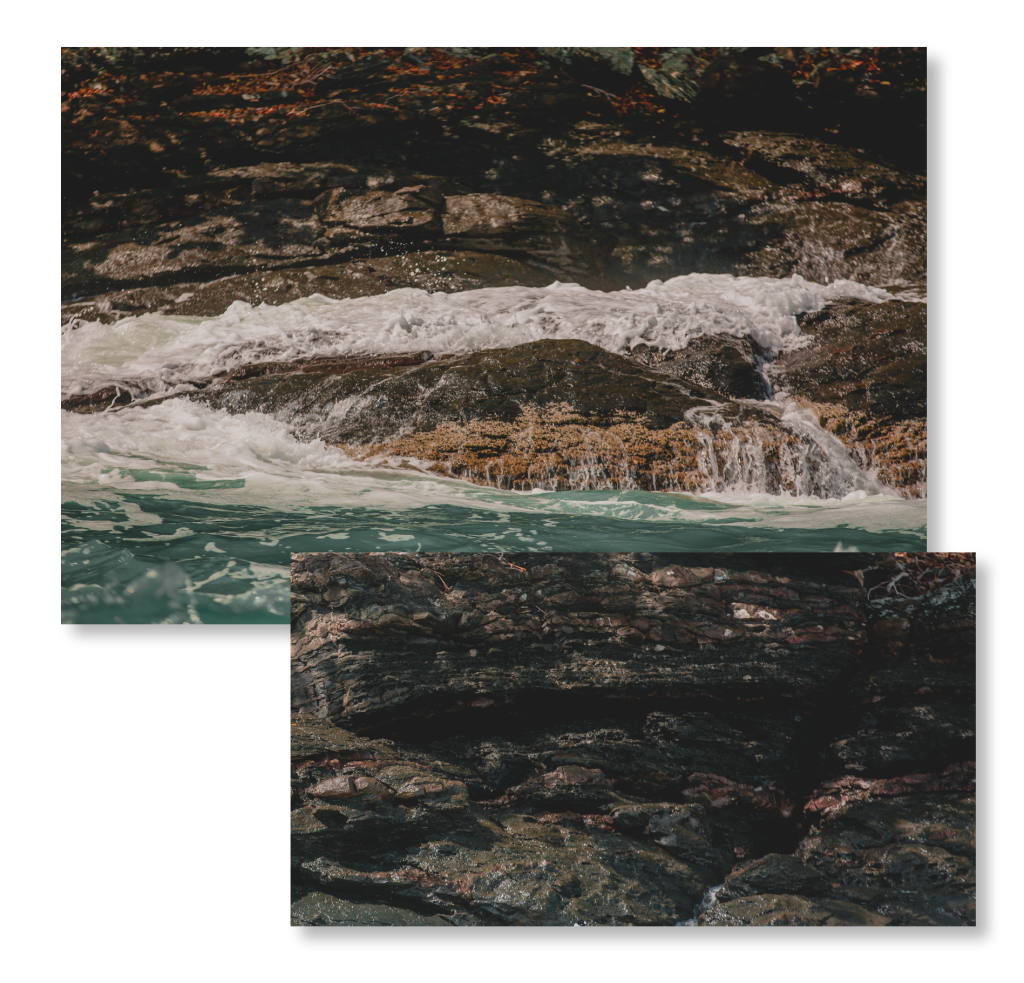
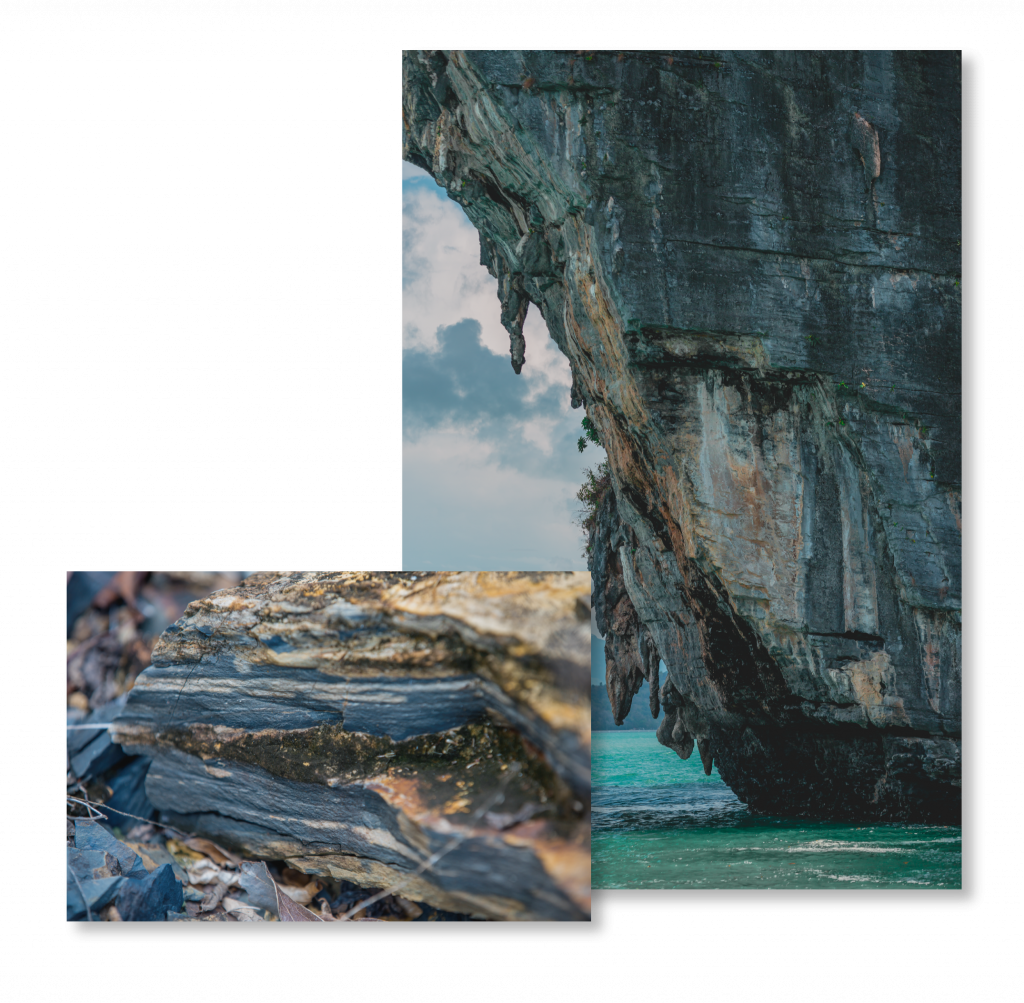
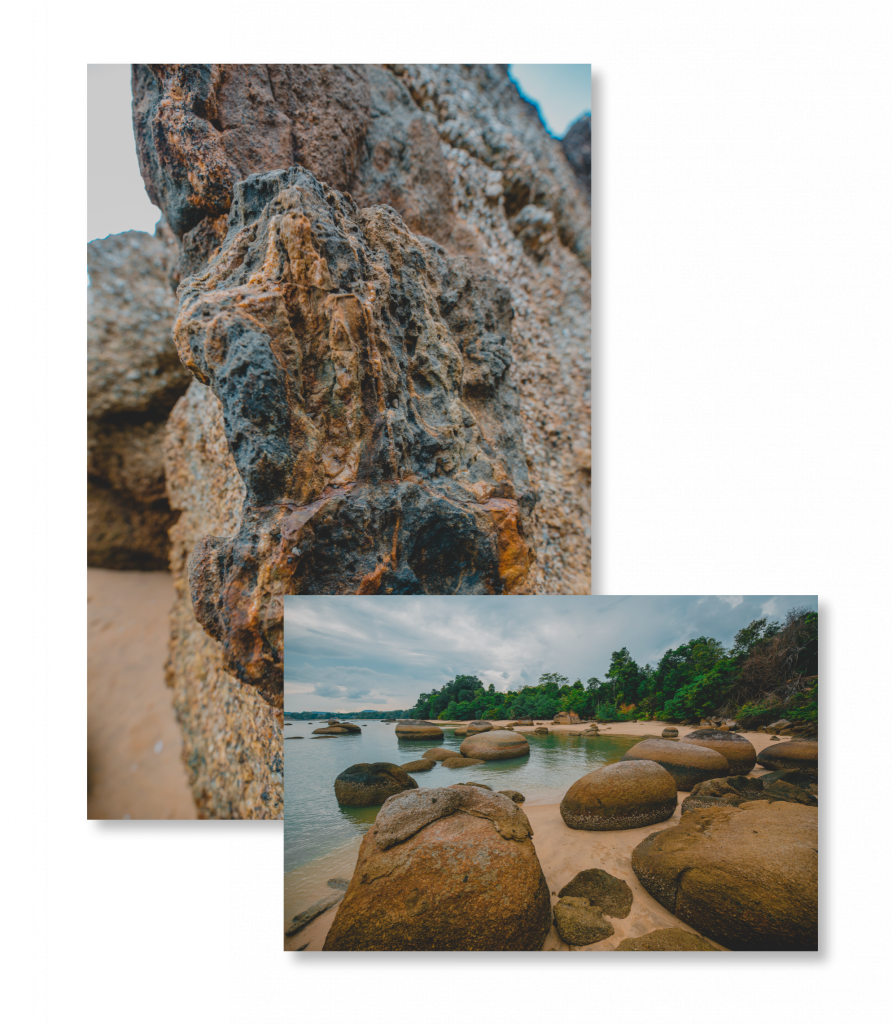
Langkawi is home to some of the oldest and most fascinating rocks in Malaysia, each telling a unique story of the Earth’s past.
Machinchang Formation
Age: Over 500 million years old (Cambrian period).
Location: Northwest Langkawi.
Description: These are Malaysia’s oldest rocks, made up of sandstone, shale, and mudstone. They were formed when ancient rivers and seas left behind sediments.
Cool Fact: You can see ripple marks and even traces of ancient creatures like burrows and tracks in these rocks!
Setul Formation
Age: 490–370 million years old (Ordovician to Silurian period).
Location: Eastern Langkawi, near Kubang Badak and Teluk Mempelam.
Description: Made of limestone and sandstone, this formation shaped Langkawi’s stunning karst landscapes, including caves and sea arches.
Cool Fact: The majestic caves with stalactites and stalagmites come from this rock’s erosion over millions of years.
Singa Formation
Age: 350–290 million years old (Devonian to Permian period).
Location: Found in areas like Sungai Itau and Batu Asah.
Description: This dark siltstone and mudstone tell a story of a cold, shallow sea. It even holds dropstones—rocks carried by ancient glaciers!
Cool Fact: Fossils here, like brachiopods, show Langkawi’s connection to the Gondwanaland seas.
Chuping Formation
Age: 290–250 million years old (Permian to Triassic period).
Location: Near Tasik Dayang Bunting and Pulau Jong.
Description: Thin layers of limestone that sometimes transform into marble. This formation also boasts rich fossil beds.
Cool Fact: The famous Lake of the Pregnant Maiden (Tasik Dayang Bunting) lies in a collapsed cave from this formation.
The Granite Giants of Langkawi
Gunung Raya Granite
Age: Around 230 million years old (Triassic period).
Location: Gunung Raya and Bukit Sawak.
Description: These tough granites were formed deep underground and later pushed up by tectonic forces.
Cool Fact: Features like Telaga Tujuh Waterfall and Teluk Yu Granite Tors were shaped by the slow weathering of this granite.
Langkawi’s rock formations are more than just scenery—they’re natural time capsules that reveal millions of years of history. Whether you’re hiking, exploring caves, or marveling at waterfalls, you’re walking through ancient Earth’s story!